AGP Executive Report
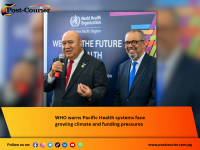
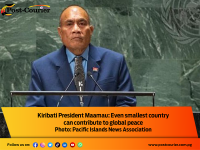
Last update: 10 hours agoClimate and Health: WHO says Pacific health systems face growing strain from climate risks, workforce shortages and tight budgets. Kiribati is among the countries receiving support to make health services more climate-resilient. Regional Services: ADB’s new five-year Pacific strategy includes Kiribati and aims to improve access to health care and other essential services while strengthening climate-resilient infrastructure. El Niño Outlook: A strong El Niño is forecast to continue into early 2027. Kiribati is expected to see wetter-than-normal conditions, while the wider region faces risks to water, livelihoods and health.
Note: AI summary from news headlines; neutral sources weighted more to help reduce bias in the result. Feedback is welcome. Please let us know if you have any comments or suggestions about the AGP Executive Report.
 Perspectify News